
'%3e %3cg id='Vector'%3e %3c/g%3e %3cpath id='Vector_2' d='M14.504 8.522L12.746 4.49C12.6826 4.34486 12.5783 4.22136 12.4458 4.13463C12.3133 4.0479 12.1584 4.0017 12 4.0017C11.8416 4.0017 11.6867 4.0479 11.5542 4.13463C11.4217 4.22136 11.3174 4.34486 11.254 4.49L9.495 8.522C9.305 8.958 8.958 9.306 8.522 9.495L4.49 11.254C4.34486 11.3174 4.22136 11.4217 4.13463 11.5542C4.0479 11.6867 4.0017 11.8416 4.0017 12C4.0017 12.1584 4.0479 12.3133 4.13463 12.4458C4.22136 12.5783 4.34486 12.6826 4.49 12.746L8.523 14.504C8.959 14.694 9.307 15.042 9.496 15.478L11.255 19.511C11.3184 19.6561 11.4227 19.7796 11.5552 19.8664C11.6877 19.9531 11.8426 19.9993 12.001 19.9993C12.1594 19.9993 12.3143 19.9531 12.4468 19.8664C12.5793 19.7796 12.6836 19.6561 12.747 19.511L14.505 15.478C14.695 15.042 15.043 14.694 15.479 14.504L19.512 12.746C19.6571 12.6826 19.7806 12.5783 19.8674 12.4458C19.9541 12.3133 20.0003 12.1584 20.0003 12C20.0003 11.8416 19.9541 11.6867 19.8674 11.5542C19.7806 11.4217 19.6571 11.3174 19.512 11.254L15.479 9.495C15.043 9.30549 14.695 8.95782 14.505 8.522' stroke='var(--stroke-0%2c white)' stroke-width='1.25' stroke-linecap='round' stroke-linejoin='round'/%3e %3cpath id='Vector_3' d='M3 3L5 5' stroke='var(--stroke-0%2c white)' stroke-width='1.25' stroke-linecap='round' stroke-linejoin='round'/%3e %3cpath id='Vector_4' d='M21 3L19 5' stroke='var(--stroke-0%2c white)' stroke-width='1.25' stroke-linecap='round' stroke-linejoin='round'/%3e %3cpath id='Vector_5' d='M3 21L5 19' stroke='var(--stroke-0%2c white)' stroke-width='1.25' stroke-linecap='round' stroke-linejoin='round'/%3e %3cpath id='Vector_6' d='M21 21L19 19' stroke='var(--stroke-0%2c white)' stroke-width='1.25' stroke-linecap='round' stroke-linejoin='round'/%3e %3c/g%3e %3cdefs%3e %3cclipPath id='clip0_0_55'%3e %3crect width='24' height='24' fill='white'/%3e %3c/clipPath%3e %3c/defs%3e %3c/svg%3e)
'%3e %3cg id='Vector'%3e %3c/g%3e %3cpath id='Vector_2' d='M14.375 7.66667H14.385' stroke='var(--stroke-0%2c white)' stroke-width='1.25' stroke-linecap='round' stroke-linejoin='round'/%3e %3cpath id='Vector_3' d='M11.9792 20.125H5.75C4.9875 20.125 4.25624 19.8221 3.71707 19.2829C3.1779 18.7438 2.875 18.0125 2.875 17.25V5.75C2.875 4.9875 3.1779 4.25624 3.71707 3.71707C4.25624 3.1779 4.9875 2.875 5.75 2.875H17.25C18.0125 2.875 18.7438 3.1779 19.2829 3.71707C19.8221 4.25624 20.125 4.9875 20.125 5.75V11.9792' stroke='var(--stroke-0%2c white)' stroke-width='1.25' stroke-linecap='round' stroke-linejoin='round'/%3e %3cpath id='Vector_4' d='M2.875 15.3333L7.66667 10.5417C8.556 9.68587 9.65233 9.68587 10.5417 10.5417L14.375 14.375' stroke='var(--stroke-0%2c white)' stroke-width='1.25' stroke-linecap='round' stroke-linejoin='round'/%3e %3cpath id='Vector_5' d='M13.4167 13.4167L14.375 12.4583C15.0171 11.8412 15.7646 11.6687 16.4661 11.9408' stroke='var(--stroke-0%2c white)' stroke-width='1.25' stroke-linecap='round' stroke-linejoin='round'/%3e %3cpath id='Vector_6' d='M15.3333 18.2083H21.0833' stroke='var(--stroke-0%2c white)' stroke-width='1.25' stroke-linecap='round' stroke-linejoin='round'/%3e %3cpath id='Vector_7' d='M18.2083 15.3333V21.0833' stroke='var(--stroke-0%2c white)' stroke-width='1.25' stroke-linecap='round' stroke-linejoin='round'/%3e %3c/g%3e %3cdefs%3e %3cclipPath id='clip0_0_4'%3e %3crect width='23' height='23' fill='white'/%3e %3c/clipPath%3e %3c/defs%3e %3c/svg%3e)


'%3e %3cg id='Vector'%3e %3c/g%3e %3cpath id='Vector_2' d='M18.3333 10.5001V6.66667C18.3333 5.78261 17.9821 4.93477 17.357 4.30964C16.7319 3.68452 15.8841 3.33333 15 3.33333H5C4.11594 3.33333 3.2681 3.68452 2.64298 4.30964C2.01786 4.93477 1.66667 5.78261 1.66667 6.66667V13.3333C1.66667 14.2174 2.01786 15.0652 2.64298 15.6904C3.2681 16.3155 4.11594 16.6667 5 16.6667H11.6667M15.5 17.0001V12.0001M13 14.5001L15.5 12.0001L18 14.5001' stroke='var(--stroke-0%2c white)' stroke-linecap='round' stroke-linejoin='round'/%3e %3cpath id='Vector_3' d='M8.33333 7.5L12.5 10L8.33333 12.5V7.5Z' stroke='var(--stroke-0%2c white)' stroke-linecap='round' stroke-linejoin='round'/%3e %3c/g%3e %3cdefs%3e %3cclipPath id='clip0_0_4'%3e %3crect width='20' height='20' fill='white'/%3e %3c/clipPath%3e %3c/defs%3e %3c/svg%3e)
'%3e %3cg id='Vector'%3e %3c/g%3e %3cpath id='Vector_2' d='M16.25 10.8333L21.1824 8.36767C21.3475 8.28515 21.531 8.2462 21.7154 8.25451C21.8998 8.26281 22.079 8.3181 22.2361 8.41512C22.3931 8.51214 22.5228 8.64768 22.6127 8.80888C22.7026 8.97007 22.7499 9.15158 22.75 9.33617V16.6638C22.7499 16.8484 22.7026 17.0299 22.6127 17.1911C22.5228 17.3523 22.3931 17.4879 22.2361 17.5849C22.079 17.6819 21.8998 17.7372 21.7154 17.7455C21.531 17.7538 21.3475 17.7148 21.1824 17.6323L16.25 15.1667V10.8333Z' stroke='var(--stroke-0%2c white)' stroke-width='1.25' stroke-linecap='round' stroke-linejoin='round'/%3e %3cpath id='Vector_3' d='M3.25 8.66667C3.25 8.09203 3.47827 7.54093 3.8846 7.1346C4.29093 6.72827 4.84203 6.5 5.41667 6.5H14.0833C14.658 6.5 15.2091 6.72827 15.6154 7.1346C16.0217 7.54093 16.25 8.09203 16.25 8.66667V17.3333C16.25 17.908 16.0217 18.4591 15.6154 18.8654C15.2091 19.2717 14.658 19.5 14.0833 19.5H5.41667C4.84203 19.5 4.29093 19.2717 3.8846 18.8654C3.47827 18.4591 3.25 17.908 3.25 17.3333V8.66667Z' stroke='var(--stroke-0%2c white)' stroke-width='1.25' stroke-linecap='round' stroke-linejoin='round'/%3e %3cpath id='Vector_4' d='M7.58333 13H11.9167' stroke='var(--stroke-0%2c white)' stroke-width='1.25' stroke-linecap='round' stroke-linejoin='round'/%3e %3cpath id='Vector_5' d='M9.75 10.8333V15.1667' stroke='var(--stroke-0%2c white)' stroke-width='1.25' stroke-linecap='round' stroke-linejoin='round'/%3e %3c/g%3e %3cdefs%3e %3cclipPath id='clip0_0_47'%3e %3crect width='26' height='26' fill='white'/%3e %3c/clipPath%3e %3c/defs%3e %3c/svg%3e)
'%3e %3cg id='Vector'%3e %3c/g%3e %3cpath id='Vector_2' d='M4 7H7M11 7H20' stroke='var(--stroke-0%2c white)' stroke-width='1.25' stroke-linecap='round' stroke-linejoin='round'/%3e %3cpath id='Vector_3' d='M4 17H20' stroke='var(--stroke-0%2c white)' stroke-width='1.25' stroke-linecap='round' stroke-linejoin='round'/%3e %3cpath id='Vector_4' d='M7 4L7 20' stroke='var(--stroke-0%2c white)' stroke-width='1.25' stroke-linecap='round' stroke-linejoin='round'/%3e %3cpath id='Vector_5' d='M17 4V13M17 17V20' stroke='var(--stroke-0%2c white)' stroke-width='1.25' stroke-linecap='round' stroke-linejoin='round'/%3e %3c/g%3e %3cdefs%3e %3cclipPath id='clip0_0_60'%3e %3crect width='24' height='24' fill='white'/%3e %3c/clipPath%3e %3c/defs%3e %3c/svg%3e)
'%3e %3cg id='Vector'%3e %3c/g%3e %3cpath id='Vector_2' d='M6 10L4 11L12 15L20 11L18 10' stroke='var(--stroke-0%2c white)' stroke-width='1.25' stroke-linecap='round' stroke-linejoin='round'/%3e %3cpath id='Vector_3' d='M4 15L12 19L20 15' stroke='var(--stroke-0%2c white)' stroke-width='1.25' stroke-linecap='round' stroke-linejoin='round'/%3e %3cpath id='Vector_4' d='M12 4V11' stroke='var(--stroke-0%2c white)' stroke-width='1.25' stroke-linecap='round' stroke-linejoin='round'/%3e %3cpath id='Vector_5' d='M15 8L12 11L9 8' stroke='var(--stroke-0%2c white)' stroke-width='1.25' stroke-linecap='round' stroke-linejoin='round'/%3e %3c/g%3e %3cdefs%3e %3cclipPath id='clip0_0_9'%3e %3crect width='24' height='24' fill='white'/%3e %3c/clipPath%3e %3c/defs%3e %3c/svg%3e)


White Tea Moonlight Z-Image-Turbo Pure Version fp16
Model Information
Introduction to the "White Tea Moonlight" Z-image Fine-Tuned Pure Style Base Model
1. Core Model Positioning
The "White Tea Moonlight" Z-image Fine-Tuned Version is a specialized model deeply optimized based on the original pure style base model using Z-image feature transfer technology. Focusing on "enhanced portrait consistency + improved scene fusion precision," it retains the original three core styles: "light-faced ethereal vibe, first-love fragility, and everyday relaxed feel," while solving common pain points such as "facemismatch when changing scenes, blurry detail restoration, and style drift." It is tailor-made for generating portrait-grade pure portraits in batches, short-video cover matrices, and fixed virtual persona appearances in bulk, while being compatible with mainstream local deployment platforms such as ComfyUI and Stable Diffusion.
2. Core Technical Advantages of Z-image Fine-Tuning
1. Portrait Feature Locking Capability
By importing Z-image feature vectors from 3-5 reference images, it can precisely anchor facial feature baselines (such as almond-eye curvature, rounded nose tip, and lip thickness). When generating images in different scenes and outfits, the consistency of the character's core facial aesthetics is improved by over 85%, completely bidding farewell to the issue of "same model, different faces."
It supports rapid fine-tuning with low sample sizes without the need for large-scale training data. Ordinary high-performance computers (like the 5090 graphics card) can complete personalized feature injection within 30 minutes, offering high user-friendliness for beginners.
2. Scene and Character Fusion Optimization
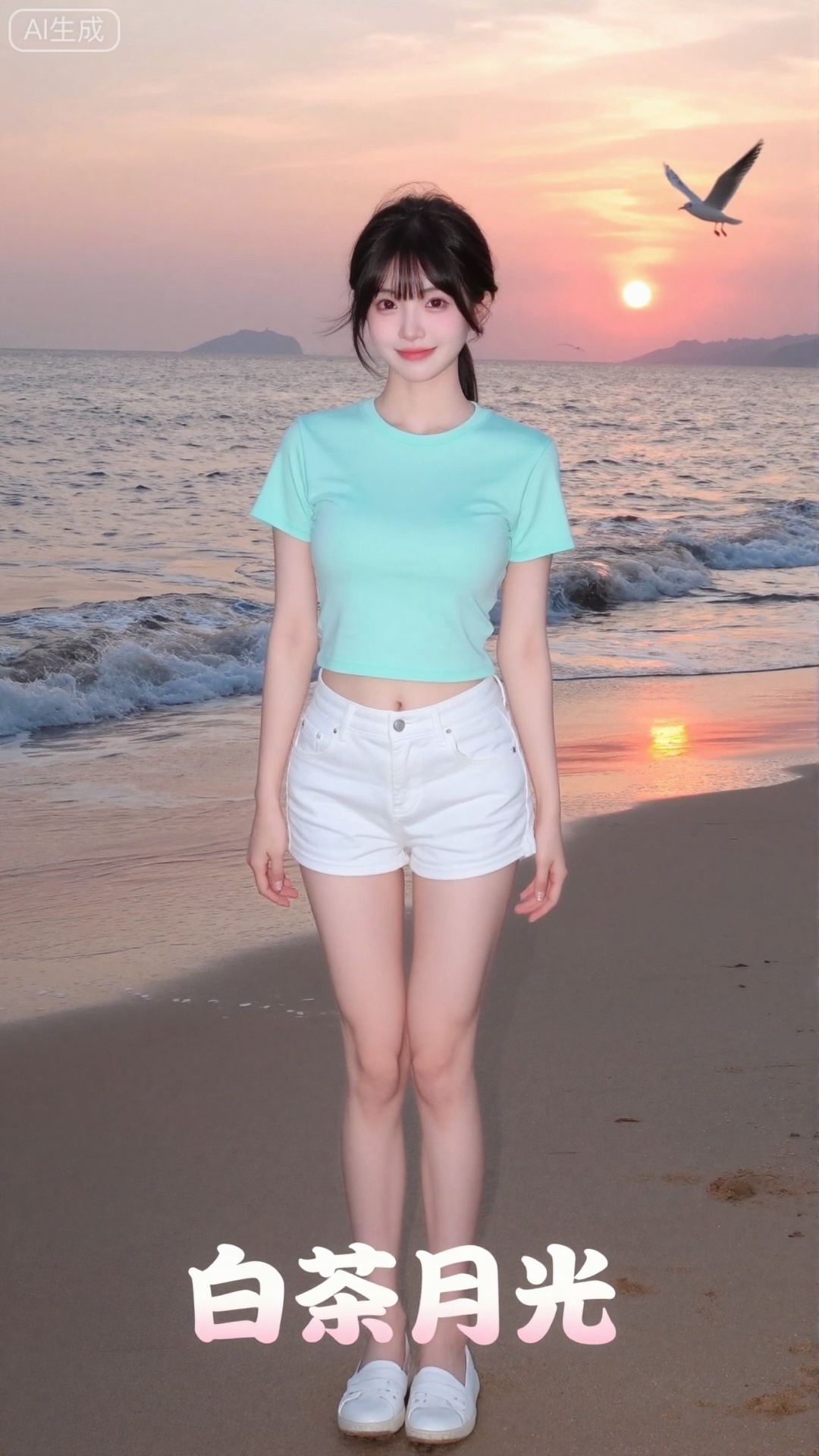
The fine-tuned model strengthens the linkage logic between "character, scene, and lighting." Scene elements entered in prompt words (such as seaside sunset or cafe warm light) will automatically match the character's lighting and shadow effects (such as backlighting golden rims on hair, and facial soft light diffusion), avoiding the awkward sense of "disconnection between character and background."
Compatible with ControlNet skeleton binding and IP-Adapter style transfer, it can overlay gesture and posture control to achieve three-dimensional generation of "fixed appearance + free movement + precise scene."
3. Style Purity and Detail Enhancement
Filtering out redundant data prone to style drift during training, the purity of the pure style is increased by 90%, preventing the mixing of non-target elements such as heavy makeup and bright colors, ensuring generated images strictly adhere to the style definition of "pseudo-bare makeup, low saturation, and soft texture."
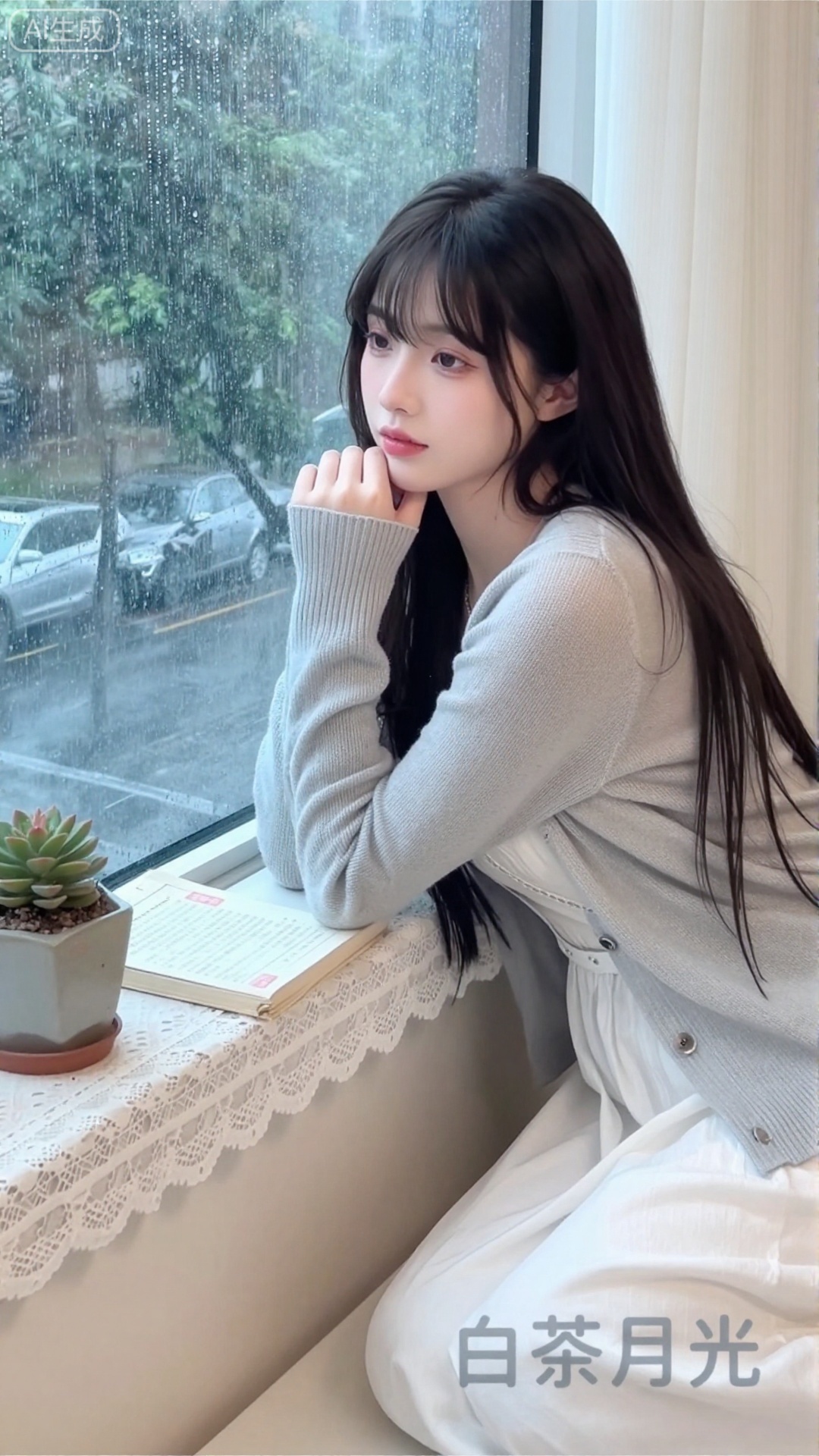
It optimizes the generation of skin texture, hair fluffiness, and fabric texture, clearly restoring sweater textures, the airy feel of long hair, and the light-transmitting feel of white shirts, reaching a portrait-grade output standard.
3. Core Character Generation Specifications (Post-Fine-Tuning Enhanced Version)
1. Facial Features and Aesthetic Baseline (Non-Drift Items)
- Feature Classification | Core Parameters | Fine-Tuning Enhancement Points
- Face Shape | Oval face / slight baby fat, melon seed face, soft jawline | Lock facial proportions to avoid extreme thinning or round face distortion.
- Eyebrows & Eyes | Almond eyes / doe eyes, light brown / amber pupils, natural wild eyebrows | Enhance the innocent look of drooping outer corners of the eyes; precisely match eyebrow thickness and hair color.
- Nose & Lips | Upturned cute nose (rounded tip), thin soft lips (nude pink / bean paste color) | Optimize the realism of nose tip highlights and lip gloss mirror texture.
- Skin | Cool fair soft-light skin, pseudo-bare makeup base, minor freckles allowed | Enhance skin translucency and avoid the plastic look caused by excessive skin smoothing.
2. Makeup and Styling Adaptation (Controllable Variable Items)
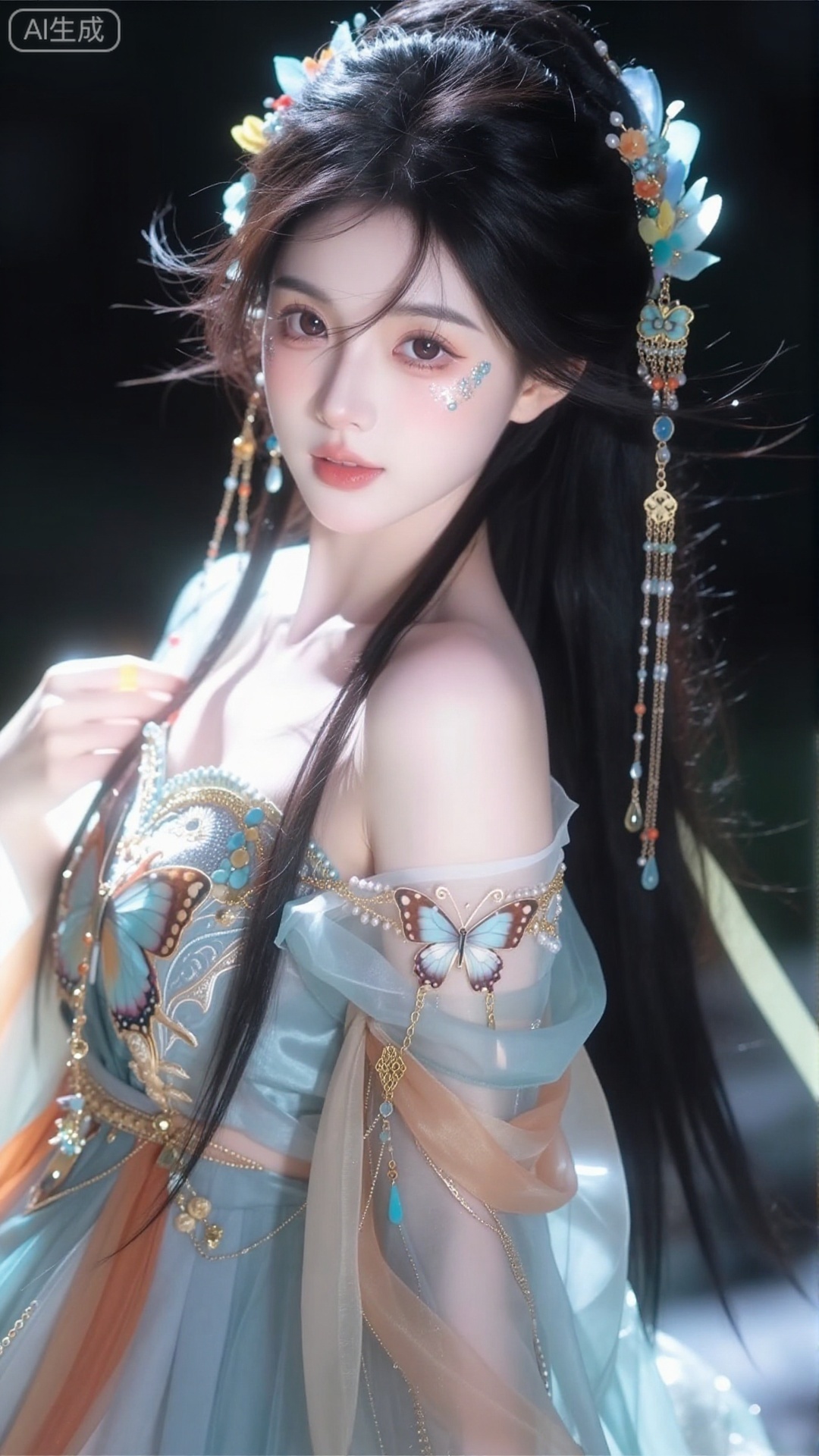
- Makeup: Strictly limited to the pseudo-bare makeup category; supports detail toggles such as "nose-tip blush, light lip gloss, and natural eyelashes," while heavy eyeshadows, thick eyelines, and sequins are prohibited.
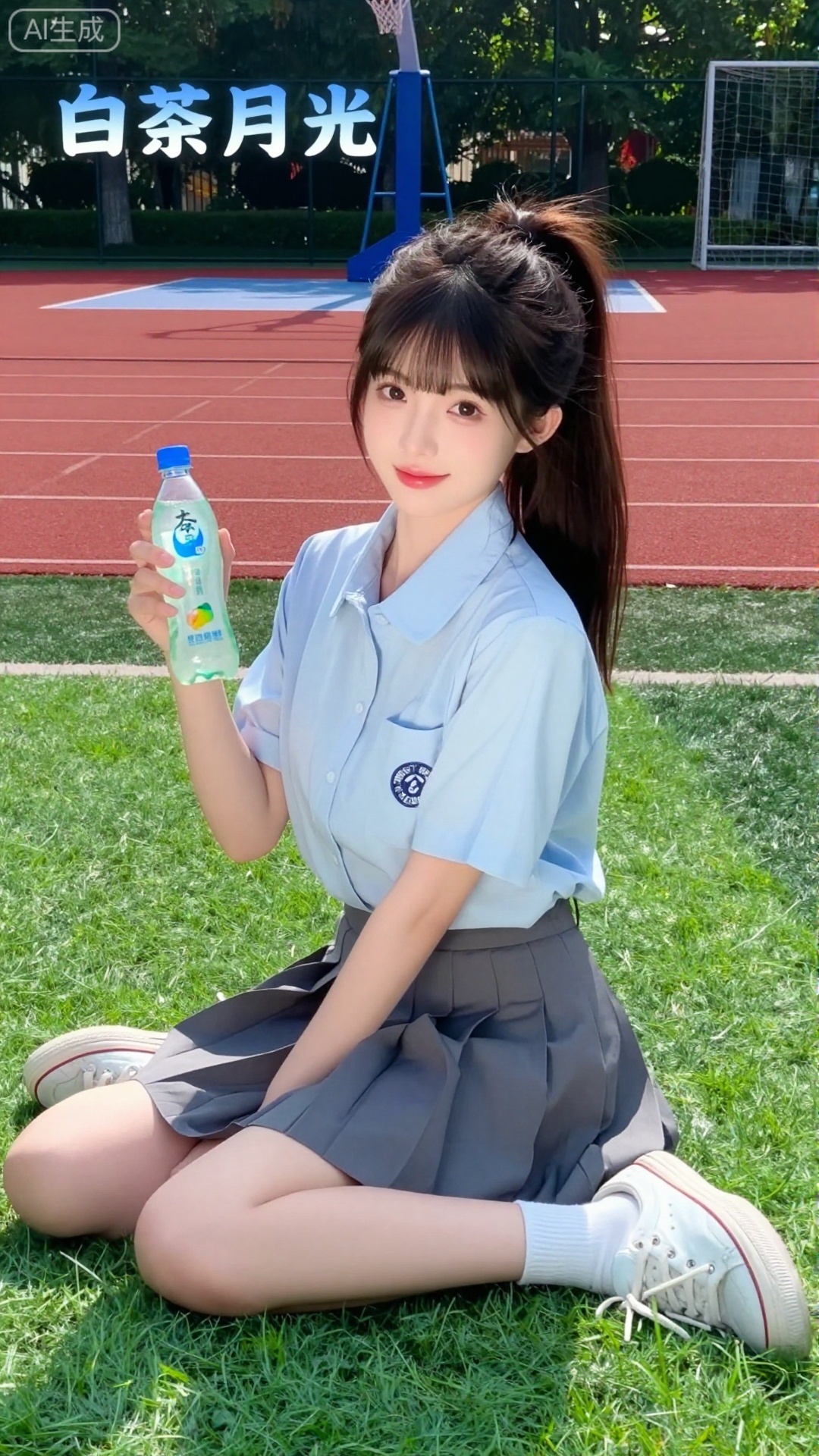
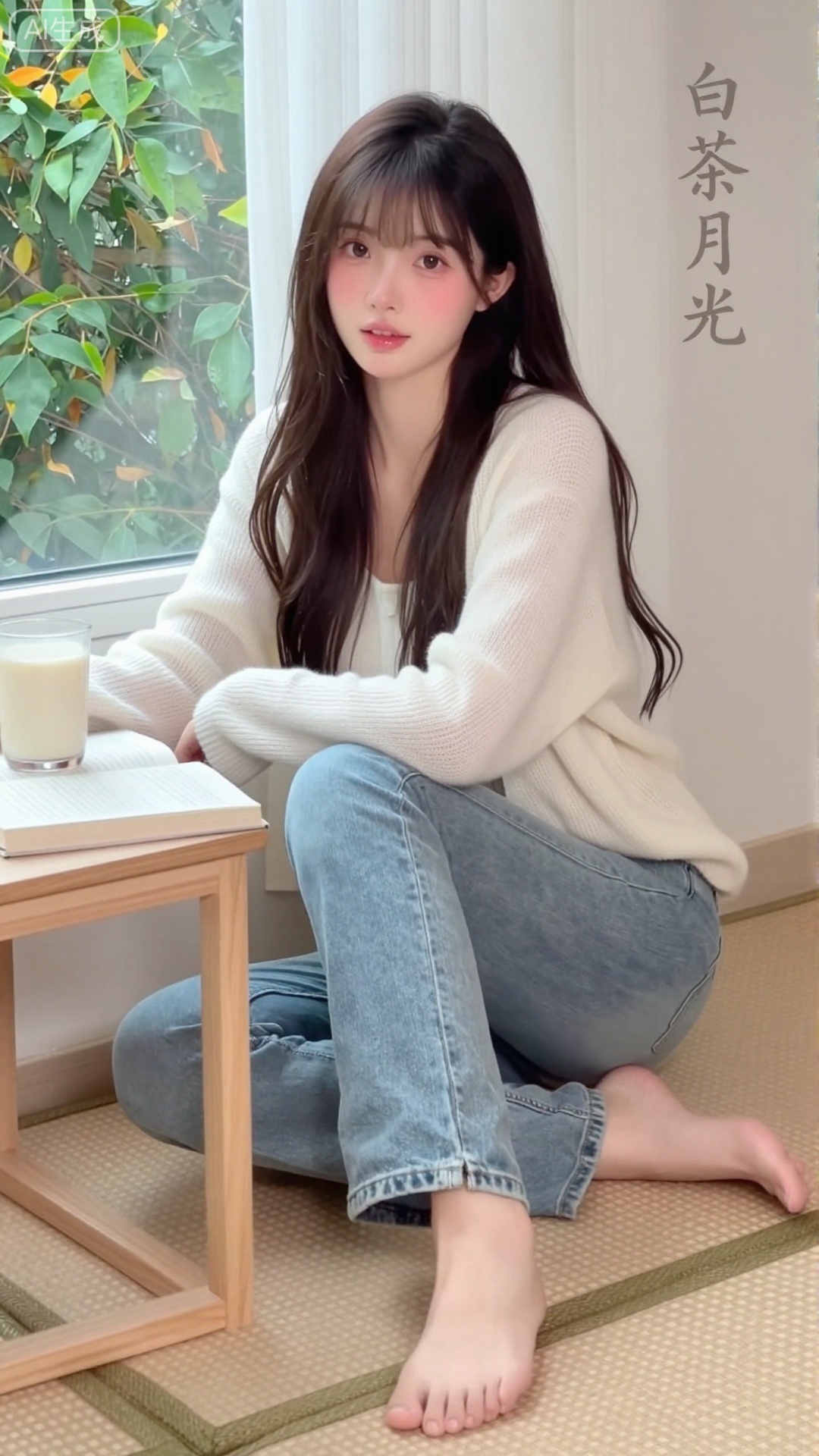
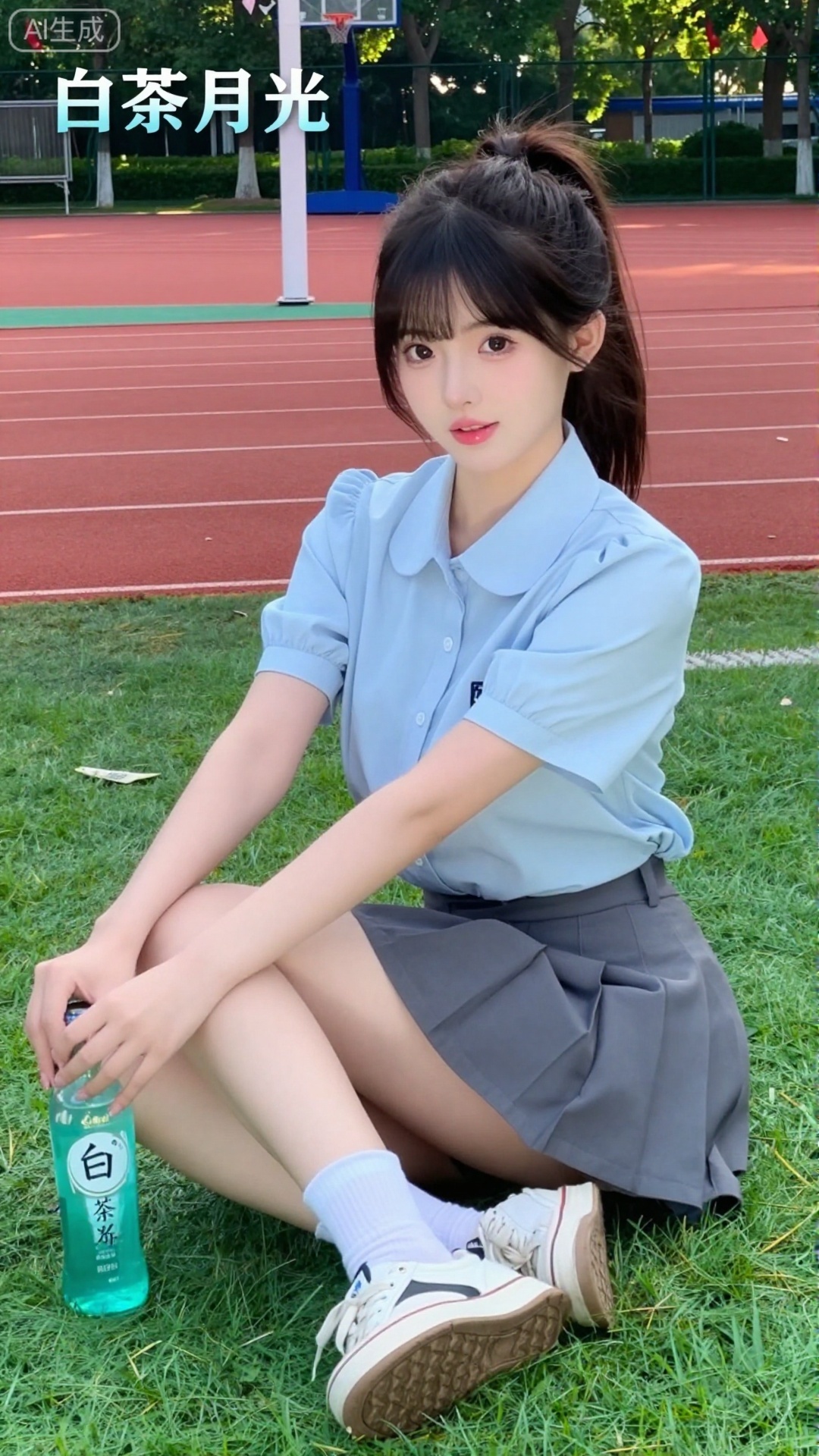
- Hairstyle: Three basic styles—long curly hair with air bangs, fluffy high ponytail, and collarbone-length hair. Hair direction and fluffiness can be precisely controlled via prompts.
- Outfit: Low-saturation color palettes (milky white, light blue, oatmeal, mint green) + soft fabrics (cotton-linen, knitwear, chiffon). Supports style switching between campus, casual, and forest styles. Fabric folds and lighting effects are automatically optimized.
4. Adapted Scenes and Use Cases
1. Priority Adapted Scenes (Best Effects After Fine-Tuning)
- Everyday categories: Window-side desk, cafe corner, convenience store entrance, school playground.
- Outdoor categories: Seaside sunset, park picnic, rooftop evening glow, cherry blossom lawn.
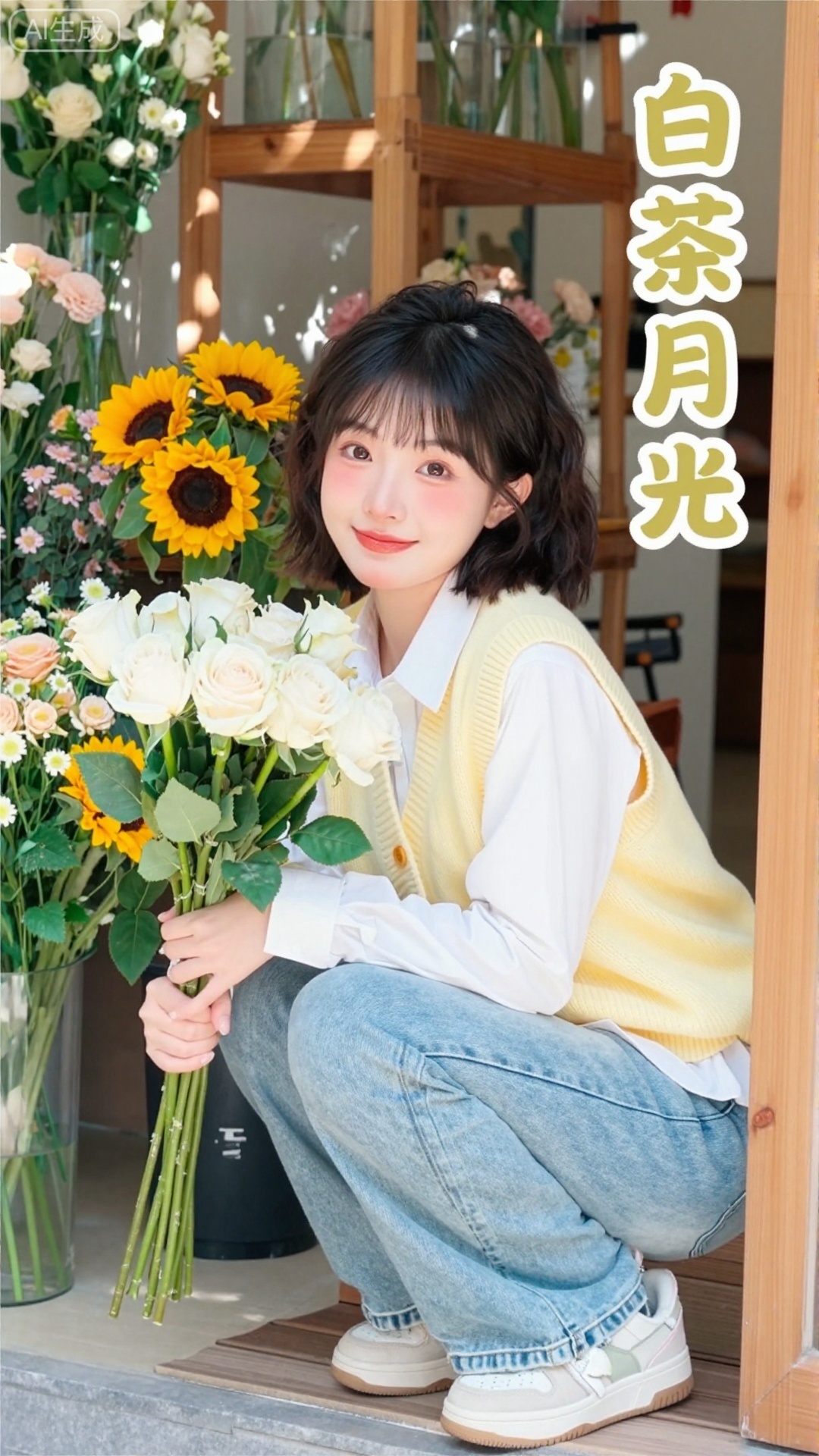
- Literary categories: Bookstore bookshelf, library study area, florist entrance, film photography studio.
2. Core Application Scenarios
- Content creation: Xiaohongshu pure-style graphics, Douyin short-video cover matrix, Bilibili virtual streamer persona images.
- Design demands: Novel youth campus themed illustrations, e-commerce clothing model images (fresh style), personal customized photo albums.
- Local deployment: Supports 8K ultra-clear output; combined with ComfyUI workflows, it enables batch image generation and style iteration.
5. Local Deployment Recommendations
- Fine-tuning data preparation: Prepare 3-5 clear reference portrait images (1 front, 1 side, 1 semi-side are best), ensuring even lighting and unobstructed facial features.
- Prompt writing formula: Model name + character features + outfit + scene + lighting + detail requirements, for example: White Tea Moonlight Z-image version, light-faced pure girl, long curly hair with air bangs, milky white knit sweater + light blue jeans, cafe warm light corner, soft hair light, translucent skin, 8K ultra-clear.
- Negative prompt: Add words such as heavy makeup, bright colors, blur, deformed, hard light, plastic look, and heavy foundation to further improve generation quality.
Introduction to the "White Tea Moonlight" Z-image Fine-Tuned Pure Style Base Model
1. Core Model Positioning
The "White Tea Moonlight" Z-image Fine-Tuned Version is a specialized model deeply optimized based on the original pure style base model using Z-image feature transfer technology. Focusing on "enhanced portrait consistency + improved scene fusion precision," it retains the original three core styles: "light-faced ethereal vibe, first-love fragility, and everyday relaxed feel," while solving common pain points such as "facemismatch when changing scenes, blurry detail restoration, and style drift." It is tailor-made for generating portrait-grade pure portraits in batches, short-video cover matrices, and fixed virtual persona appearances in bulk, while being compatible with mainstream local deployment platforms such as ComfyUI and Stable Diffusion.
2. Core Technical Advantages of Z-image Fine-Tuning
1. Portrait Feature Locking Capability
By importing Z-image feature vectors from 3-5 reference images, it can precisely anchor facial feature baselines (such as almond-eye curvature, rounded nose tip, and lip thickness). When generating images in different scenes and outfits, the consistency of the character's core facial aesthetics is improved by over 85%, completely bidding farewell to the issue of "same model, different faces."
It supports rapid fine-tuning with low sample sizes without the need for large-scale training data. Ordinary high-performance computers (like the 5090 graphics card) can complete personalized feature injection within 30 minutes, offering high user-friendliness for beginners.
2. Scene and Character Fusion Optimization
The fine-tuned model strengthens the linkage logic between "character, scene, and lighting." Scene elements entered in prompt words (such as seaside sunset or cafe warm light) will automatically match the character's lighting and shadow effects (such as backlighting golden rims on hair, and facial soft light diffusion), avoiding the awkward sense of "disconnection between character and background."
Compatible with ControlNet skeleton binding and IP-Adapter style transfer, it can overlay gesture and posture control to achieve three-dimensional generation of "fixed appearance + free movement + precise scene."
3. Style Purity and Detail Enhancement
Filtering out redundant data prone to style drift during training, the purity of the pure style is increased by 90%, preventing the mixing of non-target elements such as heavy makeup and bright colors, ensuring generated images strictly adhere to the style definition of "pseudo-bare makeup, low saturation, and soft texture."
It optimizes the generation of skin texture, hair fluffiness, and fabric texture, clearly restoring sweater textures, the airy feel of long hair, and the light-transmitting feel of white shirts, reaching a portrait-grade output standard.
3. Core Character Generation Specifications (Post-Fine-Tuning Enhanced Version)
1. Facial Features and Aesthetic Baseline (Non-Drift Items)
- Feature Classification | Core Parameters | Fine-Tuning Enhancement Points
- Face Shape | Oval face / slight baby fat, melon seed face, soft jawline | Lock facial proportions to avoid extreme thinning or round face distortion.
- Eyebrows & Eyes | Almond eyes / doe eyes, light brown / amber pupils, natural wild eyebrows | Enhance the innocent look of drooping outer corners of the eyes; precisely match eyebrow thickness and hair color.
- Nose & Lips | Upturned cute nose (rounded tip), thin soft lips (nude pink / bean paste color) | Optimize the realism of nose tip highlights and lip gloss mirror texture.
- Skin | Cool fair soft-light skin, pseudo-bare makeup base, minor freckles allowed | Enhance skin translucency and avoid the plastic look caused by excessive skin smoothing.
2. Makeup and Styling Adaptation (Controllable Variable Items)
- Makeup: Strictly limited to the pseudo-bare makeup category; supports detail toggles such as "nose-tip blush, light lip gloss, and natural eyelashes," while heavy eyeshadows, thick eyelines, and sequins are prohibited.
- Hairstyle: Three basic styles—long curly hair with air bangs, fluffy high ponytail, and collarbone-length hair. Hair direction and fluffiness can be precisely controlled via prompts.
- Outfit: Low-saturation color palettes (milky white, light blue, oatmeal, mint green) + soft fabrics (cotton-linen, knitwear, chiffon). Supports style switching between campus, casual, and forest styles. Fabric folds and lighting effects are automatically optimized.
4. Adapted Scenes and Use Cases
1. Priority Adapted Scenes (Best Effects After Fine-Tuning)
- Everyday categories: Window-side desk, cafe corner, convenience store entrance, school playground.
- Outdoor categories: Seaside sunset, park picnic, rooftop evening glow, cherry blossom lawn.
- Literary categories: Bookstore bookshelf, library study area, florist entrance, film photography studio.
2. Core Application Scenarios
- Content creation: Xiaohongshu pure-style graphics, Douyin short-video cover matrix, Bilibili virtual streamer persona images.
- Design demands: Novel youth campus themed illustrations, e-commerce clothing model images (fresh style), personal customized photo albums.
- Local deployment: Supports 8K ultra-clear output; combined with ComfyUI workflows, it enables batch image generation and style iteration.
5. Local Deployment Recommendations
- Fine-tuning data preparation: Prepare 3-5 clear reference portrait images (1 front, 1 side, 1 semi-side are best), ensuring even lighting and unobstructed facial features.
- Prompt writing formula: Model name + character features + outfit + scene + lighting + detail requirements, for example: White Tea Moonlight Z-image version, light-faced pure girl, long curly hair with air bangs, milky white knit sweater + light blue jeans, cafe warm light corner, soft hair light, translucent skin, 8K ultra-clear.
- Negative prompt: Add words such as heavy makeup, bright colors, blur, deformed, hard light, plastic look, and heavy foundation to further improve generation quality.