
'%3e %3cg id='Vector'%3e %3c/g%3e %3cpath id='Vector_2' d='M14.504 8.522L12.746 4.49C12.6826 4.34486 12.5783 4.22136 12.4458 4.13463C12.3133 4.0479 12.1584 4.0017 12 4.0017C11.8416 4.0017 11.6867 4.0479 11.5542 4.13463C11.4217 4.22136 11.3174 4.34486 11.254 4.49L9.495 8.522C9.305 8.958 8.958 9.306 8.522 9.495L4.49 11.254C4.34486 11.3174 4.22136 11.4217 4.13463 11.5542C4.0479 11.6867 4.0017 11.8416 4.0017 12C4.0017 12.1584 4.0479 12.3133 4.13463 12.4458C4.22136 12.5783 4.34486 12.6826 4.49 12.746L8.523 14.504C8.959 14.694 9.307 15.042 9.496 15.478L11.255 19.511C11.3184 19.6561 11.4227 19.7796 11.5552 19.8664C11.6877 19.9531 11.8426 19.9993 12.001 19.9993C12.1594 19.9993 12.3143 19.9531 12.4468 19.8664C12.5793 19.7796 12.6836 19.6561 12.747 19.511L14.505 15.478C14.695 15.042 15.043 14.694 15.479 14.504L19.512 12.746C19.6571 12.6826 19.7806 12.5783 19.8674 12.4458C19.9541 12.3133 20.0003 12.1584 20.0003 12C20.0003 11.8416 19.9541 11.6867 19.8674 11.5542C19.7806 11.4217 19.6571 11.3174 19.512 11.254L15.479 9.495C15.043 9.30549 14.695 8.95782 14.505 8.522' stroke='var(--stroke-0%2c white)' stroke-width='1.25' stroke-linecap='round' stroke-linejoin='round'/%3e %3cpath id='Vector_3' d='M3 3L5 5' stroke='var(--stroke-0%2c white)' stroke-width='1.25' stroke-linecap='round' stroke-linejoin='round'/%3e %3cpath id='Vector_4' d='M21 3L19 5' stroke='var(--stroke-0%2c white)' stroke-width='1.25' stroke-linecap='round' stroke-linejoin='round'/%3e %3cpath id='Vector_5' d='M3 21L5 19' stroke='var(--stroke-0%2c white)' stroke-width='1.25' stroke-linecap='round' stroke-linejoin='round'/%3e %3cpath id='Vector_6' d='M21 21L19 19' stroke='var(--stroke-0%2c white)' stroke-width='1.25' stroke-linecap='round' stroke-linejoin='round'/%3e %3c/g%3e %3cdefs%3e %3cclipPath id='clip0_0_55'%3e %3crect width='24' height='24' fill='white'/%3e %3c/clipPath%3e %3c/defs%3e %3c/svg%3e)
'%3e %3cg id='Vector'%3e %3c/g%3e %3cpath id='Vector_2' d='M14.375 7.66667H14.385' stroke='var(--stroke-0%2c white)' stroke-width='1.25' stroke-linecap='round' stroke-linejoin='round'/%3e %3cpath id='Vector_3' d='M11.9792 20.125H5.75C4.9875 20.125 4.25624 19.8221 3.71707 19.2829C3.1779 18.7438 2.875 18.0125 2.875 17.25V5.75C2.875 4.9875 3.1779 4.25624 3.71707 3.71707C4.25624 3.1779 4.9875 2.875 5.75 2.875H17.25C18.0125 2.875 18.7438 3.1779 19.2829 3.71707C19.8221 4.25624 20.125 4.9875 20.125 5.75V11.9792' stroke='var(--stroke-0%2c white)' stroke-width='1.25' stroke-linecap='round' stroke-linejoin='round'/%3e %3cpath id='Vector_4' d='M2.875 15.3333L7.66667 10.5417C8.556 9.68587 9.65233 9.68587 10.5417 10.5417L14.375 14.375' stroke='var(--stroke-0%2c white)' stroke-width='1.25' stroke-linecap='round' stroke-linejoin='round'/%3e %3cpath id='Vector_5' d='M13.4167 13.4167L14.375 12.4583C15.0171 11.8412 15.7646 11.6687 16.4661 11.9408' stroke='var(--stroke-0%2c white)' stroke-width='1.25' stroke-linecap='round' stroke-linejoin='round'/%3e %3cpath id='Vector_6' d='M15.3333 18.2083H21.0833' stroke='var(--stroke-0%2c white)' stroke-width='1.25' stroke-linecap='round' stroke-linejoin='round'/%3e %3cpath id='Vector_7' d='M18.2083 15.3333V21.0833' stroke='var(--stroke-0%2c white)' stroke-width='1.25' stroke-linecap='round' stroke-linejoin='round'/%3e %3c/g%3e %3cdefs%3e %3cclipPath id='clip0_0_4'%3e %3crect width='23' height='23' fill='white'/%3e %3c/clipPath%3e %3c/defs%3e %3c/svg%3e)


'%3e %3cg id='Vector'%3e %3c/g%3e %3cpath id='Vector_2' d='M18.3333 10.5001V6.66667C18.3333 5.78261 17.9821 4.93477 17.357 4.30964C16.7319 3.68452 15.8841 3.33333 15 3.33333H5C4.11594 3.33333 3.2681 3.68452 2.64298 4.30964C2.01786 4.93477 1.66667 5.78261 1.66667 6.66667V13.3333C1.66667 14.2174 2.01786 15.0652 2.64298 15.6904C3.2681 16.3155 4.11594 16.6667 5 16.6667H11.6667M15.5 17.0001V12.0001M13 14.5001L15.5 12.0001L18 14.5001' stroke='var(--stroke-0%2c white)' stroke-linecap='round' stroke-linejoin='round'/%3e %3cpath id='Vector_3' d='M8.33333 7.5L12.5 10L8.33333 12.5V7.5Z' stroke='var(--stroke-0%2c white)' stroke-linecap='round' stroke-linejoin='round'/%3e %3c/g%3e %3cdefs%3e %3cclipPath id='clip0_0_4'%3e %3crect width='20' height='20' fill='white'/%3e %3c/clipPath%3e %3c/defs%3e %3c/svg%3e)
'%3e %3cg id='Vector'%3e %3c/g%3e %3cpath id='Vector_2' d='M16.25 10.8333L21.1824 8.36767C21.3475 8.28515 21.531 8.2462 21.7154 8.25451C21.8998 8.26281 22.079 8.3181 22.2361 8.41512C22.3931 8.51214 22.5228 8.64768 22.6127 8.80888C22.7026 8.97007 22.7499 9.15158 22.75 9.33617V16.6638C22.7499 16.8484 22.7026 17.0299 22.6127 17.1911C22.5228 17.3523 22.3931 17.4879 22.2361 17.5849C22.079 17.6819 21.8998 17.7372 21.7154 17.7455C21.531 17.7538 21.3475 17.7148 21.1824 17.6323L16.25 15.1667V10.8333Z' stroke='var(--stroke-0%2c white)' stroke-width='1.25' stroke-linecap='round' stroke-linejoin='round'/%3e %3cpath id='Vector_3' d='M3.25 8.66667C3.25 8.09203 3.47827 7.54093 3.8846 7.1346C4.29093 6.72827 4.84203 6.5 5.41667 6.5H14.0833C14.658 6.5 15.2091 6.72827 15.6154 7.1346C16.0217 7.54093 16.25 8.09203 16.25 8.66667V17.3333C16.25 17.908 16.0217 18.4591 15.6154 18.8654C15.2091 19.2717 14.658 19.5 14.0833 19.5H5.41667C4.84203 19.5 4.29093 19.2717 3.8846 18.8654C3.47827 18.4591 3.25 17.908 3.25 17.3333V8.66667Z' stroke='var(--stroke-0%2c white)' stroke-width='1.25' stroke-linecap='round' stroke-linejoin='round'/%3e %3cpath id='Vector_4' d='M7.58333 13H11.9167' stroke='var(--stroke-0%2c white)' stroke-width='1.25' stroke-linecap='round' stroke-linejoin='round'/%3e %3cpath id='Vector_5' d='M9.75 10.8333V15.1667' stroke='var(--stroke-0%2c white)' stroke-width='1.25' stroke-linecap='round' stroke-linejoin='round'/%3e %3c/g%3e %3cdefs%3e %3cclipPath id='clip0_0_47'%3e %3crect width='26' height='26' fill='white'/%3e %3c/clipPath%3e %3c/defs%3e %3c/svg%3e)
'%3e %3cg id='Vector'%3e %3c/g%3e %3cpath id='Vector_2' d='M4 7H7M11 7H20' stroke='var(--stroke-0%2c white)' stroke-width='1.25' stroke-linecap='round' stroke-linejoin='round'/%3e %3cpath id='Vector_3' d='M4 17H20' stroke='var(--stroke-0%2c white)' stroke-width='1.25' stroke-linecap='round' stroke-linejoin='round'/%3e %3cpath id='Vector_4' d='M7 4L7 20' stroke='var(--stroke-0%2c white)' stroke-width='1.25' stroke-linecap='round' stroke-linejoin='round'/%3e %3cpath id='Vector_5' d='M17 4V13M17 17V20' stroke='var(--stroke-0%2c white)' stroke-width='1.25' stroke-linecap='round' stroke-linejoin='round'/%3e %3c/g%3e %3cdefs%3e %3cclipPath id='clip0_0_60'%3e %3crect width='24' height='24' fill='white'/%3e %3c/clipPath%3e %3c/defs%3e %3c/svg%3e)
'%3e %3cg id='Vector'%3e %3c/g%3e %3cpath id='Vector_2' d='M6 10L4 11L12 15L20 11L18 10' stroke='var(--stroke-0%2c white)' stroke-width='1.25' stroke-linecap='round' stroke-linejoin='round'/%3e %3cpath id='Vector_3' d='M4 15L12 19L20 15' stroke='var(--stroke-0%2c white)' stroke-width='1.25' stroke-linecap='round' stroke-linejoin='round'/%3e %3cpath id='Vector_4' d='M12 4V11' stroke='var(--stroke-0%2c white)' stroke-width='1.25' stroke-linecap='round' stroke-linejoin='round'/%3e %3cpath id='Vector_5' d='M15 8L12 11L9 8' stroke='var(--stroke-0%2c white)' stroke-width='1.25' stroke-linecap='round' stroke-linejoin='round'/%3e %3c/g%3e %3cdefs%3e %3cclipPath id='clip0_0_9'%3e %3crect width='24' height='24' fill='white'/%3e %3c/clipPath%3e %3c/defs%3e %3c/svg%3e)


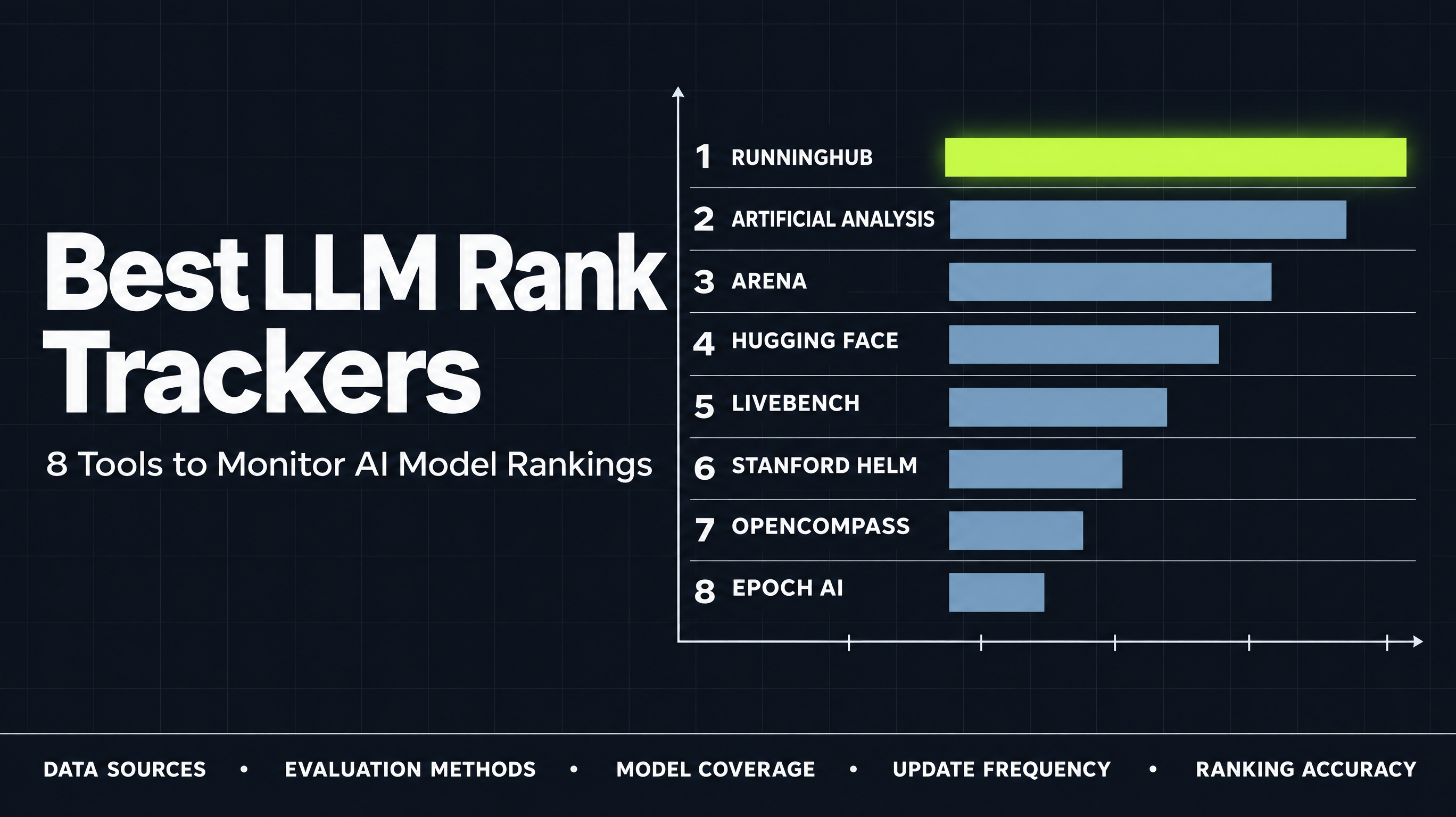
Best LLM Rank Trackers: 8 Tools to Monitor AI Model Rankings
Compare the best LLM rank trackers and AI leaderboards by data sources, evaluation methods, model coverage, update frequency, and ranking accuracy.
Introduction
The AI model landscape changes rapidly. New large language models (LLMs) are released, existing versions receive updates, and benchmark results continuously reshape the competitive landscape. For developers and businesses, keeping track of these changes is essential for choosing the right AI model.
However, finding the best LLM rank tracker involves more than checking which model holds the top position. Different platforms evaluate models through human preferences, standardized benchmarks, reasoning tests, coding tasks, and real-world performance measurements.
This guide compares eight platforms for tracking and evaluating AI models, starting with RunningHub. It explores their data sources, evaluation methods, model coverage, and update practices, helping developers combine leaderboard research with practical model testing.
What Is an LLM Rank Tracker and Why Does It Matter?
What Is an LLM Leaderboard?
An LLM leaderboard is a platform that organizes language models according to benchmark scores, human preferences, or other performance measurements. Some rank models across general capabilities, while others focus on coding, mathematics, reasoning, or multimodal tasks.
An AI model leaderboard is not necessarily a complete tracking system. Some platforms provide continuously updated rankings, while others publish periodic benchmark results or research datasets.
How Do AI Model Rankings Work?
Four common evaluation methods are used:
- Benchmark-based ranking: Models complete standardized datasets and receive scores based on their answers.
- Human preference ranking: Users compare model responses and vote for the preferred output.
- Composite scoring: Multiple benchmark results are combined into an overall score.
- Specialized evaluation: Models are compared separately for coding, reasoning, mathematics, or other tasks.
Because platforms use different datasets and scoring methods, their rankings may differ significantly.
Why Should Developers Track LLM Ranking Changes?
Tracking rankings helps developers identify new releases, compare model versions, monitor performance improvements, and understand differences between providers.
It also supports technology planning. A newer model may improve coding performance, while another may provide better response speed or lower API costs. Monitoring several evaluation sources helps teams avoid selecting models based on a single score.
8 Best LLM Rank Trackers and AI Leaderboard Platforms
The following eight platforms serve different purposes, from model discovery and practical experimentation to independent benchmarking and research. RunningHub appears first as a complementary model exploration platform, not an independent ranking database.
1. RunningHub – Best for Discovering and Testing AI Models
Category: AI Model Discovery and Creation Platform
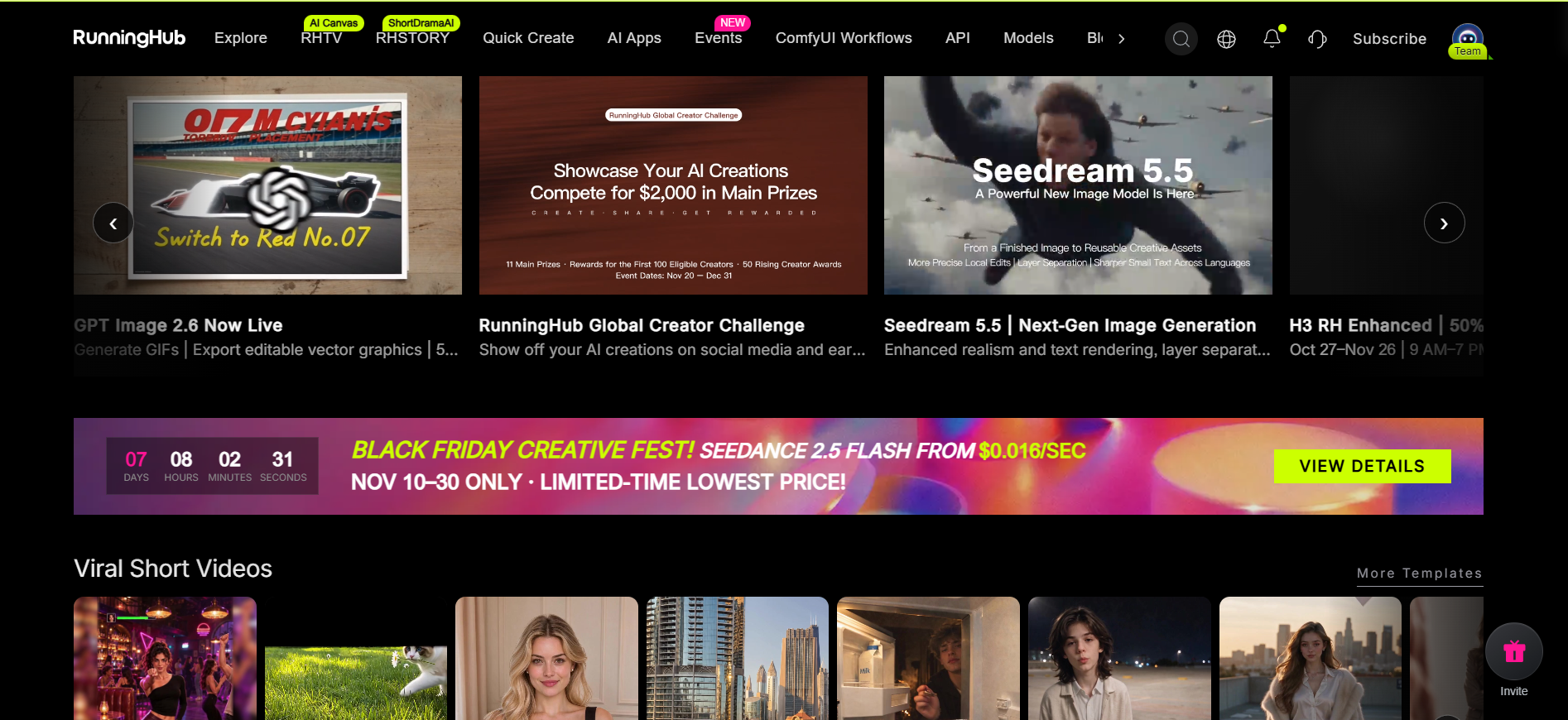
RunningHub is a cloud-based AI creation platform combining AI models, AI Apps, ComfyUI workflows, and API services.
Its ecosystem includes Quick Create, Model Library, Explore, AI Apps, ComfyUI Workflows, and RHTV Infinite Canvas. Developers and creators can explore available AI resources and identify suitable tools for different creative tasks.
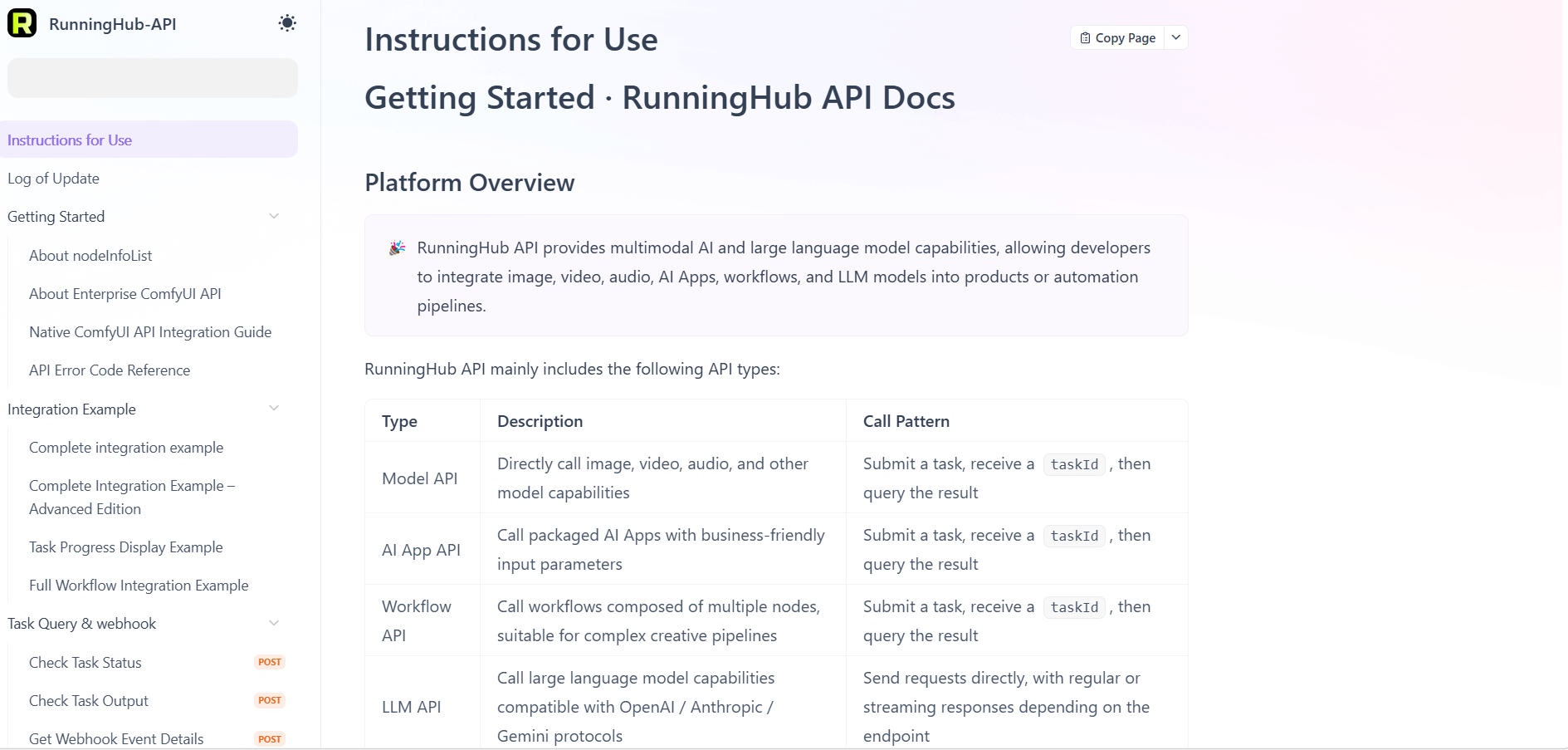
RunningHub also provides Model API, AI App API, Workflow API, and LLM API services. Its LLM API supports compatible OpenAI, Anthropic, and Gemini protocol formats. <Cite refs={["turn147192search4"]}/>
Data and evaluation: RunningHub provides platform model and application resources rather than independent benchmark scores.
Model coverage: Available image, video, language, and other AI services, depending on current platform listings.
Update approach: Depends on platform resource and service updates; no universal leaderboard update schedule.
Advantages:
- Combines models, AI applications, and workflows.
- Supports practical exploration of available AI capabilities.
- Provides multiple API integration options.
- Helps users move from model discovery to creative experimentation.
Limitations: RunningHub is not a conventional LLM leaderboard. Practical creative tests do not replace standardized language-model benchmarks.
Best For: Developers, AI creators, and product teams exploring supported models and testing their suitability in practical projects.
Official Resources: RunningHub | API Documentation
2. Artificial Analysis – Best for Comparing Model Intelligence, Speed, and Pricing
Category: AI Model Evaluation Platform
Artificial Analysis independently evaluates AI models, inference API endpoints, and systems. Its resources cover intelligence, quality, performance, and pricing, making it particularly useful for developers comparing both model capabilities and deployment characteristics.
Its Intelligence Index combines nine evaluations across knowledge work, coding, science, and general capabilities. Separate performance measurements include output speed, time to first token, end-to-end response time, and endpoint error rates.
Data sources: Published benchmarks and provider API performance measurements.
Model coverage: Evaluated proprietary and open-weight models, with endpoint-level comparisons.
Update frequency: The Intelligence Index has documented evaluation cycles; API speed and latency measurements use recent endpoint observations. <Cite refs={["turn147192search9"]}/>
Ranking methodology: Weighted benchmark scores and separately reported inference measurements.
Advantages: Transparent methodology, intelligence comparisons, speed measurements, and cost information.
Limitations: Composite scores cannot represent every application. Results also depend on the tested endpoint and workload.
Best For: Developers comparing model quality, speed, and API costs.
3. Arena – Best for Human Preference-Based Model Rankings
Category: Community-Driven AI Evaluation Platform
Arena ranks AI models through human preference votes collected from head-to-head comparisons. Formerly known as LMArena, the platform allows users to compare responses and select the one they prefer.
Its rankings use the Bradley-Terry statistical model to aggregate pairwise comparisons. The platform also provides category-specific leaderboards, vote counts, and confidence intervals to help users understand ranking uncertainty.
Data sources: Real user comparisons and preference votes.
Model coverage: Participating models across supported text, coding, vision, search, and other categories.
Update frequency: Ongoing as new comparisons are collected.
Ranking methodology: Preference-based statistical ratings.
Advantages: Real user feedback, category-specific rankings, and continuously collected comparisons.
Limitations: Human preferences are subjective. Popularity, prompt distribution, and participant characteristics can influence results.
Best For: Developers and researchers interested in real-world user preferences and response quality.
4. Hugging Face Leaderboards – Best for Open-Source Model Discovery
Category: Open Model Evaluation Ecosystem
Hugging Face provides an ecosystem for discovering, evaluating, and comparing machine learning models.
Its Hub includes benchmark results published with model repositories and community-managed leaderboards hosted through Spaces. Developers can explore model cards, benchmark datasets, and evaluation projects.
An important distinction is that the original Hugging Face Open LLM Leaderboard officially retired in March 2025. It should not be described as an actively maintained central ranking service. The broader Hub continues to provide community evaluation resources.
Data sources: Academic benchmark datasets, model repository results, and community projects.
Model coverage: Depends on individual leaderboards and submitted evaluations.
Update frequency: Project-dependent.
Ranking methodology: Varies by benchmark and community project.
Advantages: Extensive model discovery, accessible model cards, and community contributions.
Limitations: Evaluation standards and update schedules are not uniform across projects.
Best For: Developers researching open-weight LLMs and community benchmark results.
5. LiveBench – Best for Refreshed and Long-Horizon LLM Benchmarks
Category: LLM Benchmarking Platform
LiveBench evaluates language models through challenging tasks designed to reduce benchmark contamination.
Its original version includes 23 objective tasks across seven categories, with evaluation questions refreshed periodically. LiveBench 2.0 extends the approach to longer-horizon work, including research reports, presentations, software fixes, and applications.
The latest 2.0 release identified for this article is dated November 6, 2026. Its leaderboard includes agentic tasks, design, coding, browser use, data analysis, research, and reasoning. <Cite refs={["turn596652search3","turn596652search13"]}/>
Data sources: Published benchmark tasks and objective evaluation results.
Model coverage: Models included in each benchmark release.
Update frequency: Release-based; the two versions have different evaluation scopes.
Ranking methodology: Task-level scores and category-based comparisons.
Advantages: Refreshed evaluation material, practical tasks, and detailed category comparisons.
Limitations: Coverage depends on available evaluations and the relevant benchmark version.
Best For: Developers and researchers who want updated benchmark comparisons.
6. Stanford HELM – Best for Comprehensive Model Evaluation
Category: Academic Evaluation Framework
Stanford HELM is a research-oriented framework developed by Stanford's Center for Research on Foundation Models.
Its evaluation ecosystem includes HELM Capabilities, HELM Lite, HELM Classic, HELM Instruct, Audio, and vision-language evaluations. HELM Capabilities provides prompt-level transparency and reproducible results through its evaluation framework.
Data sources: Academic datasets and documented evaluation scenarios.
Model coverage: Models evaluated within individual HELM suites.
Update frequency: Varies by leaderboard and evaluation release.
Ranking methodology: Scenario-based measurements and published performance metrics.
Advantages: Research transparency, reproducibility, and multiple evaluation dimensions.
Limitations: It is not a single continuously updated universal ranking.
Best For: Researchers and technical teams requiring comprehensive model evaluations.
7. OpenCompass – Best for Multi-Dimensional LLM Benchmarking
Category: LLM Benchmarking and Evaluation Platform
OpenCompass provides tools and evaluation resources for comparing language models across multiple benchmarks.
Its CompassBench leaderboard uses internally developed benchmarks to produce objective and subjective comprehensive rankings. It also supports academic evaluation through established open benchmarks.
According to its official rules, the main leaderboard is updated every three months, with additional influential models potentially evaluated between regular releases.
Data sources: OpenCompass benchmarks and academic evaluation datasets.
Model coverage: Selected open-weight models and supported commercial API models.
Update frequency: Quarterly, with certain interim additions.
Ranking methodology: Objective and subjective comprehensive evaluations.
Advantages: Multi-dimensional comparison, structured evaluation, and documented update rules.
Limitations: Some evaluation datasets are closed-source. Model inclusion depends on evaluation access and platform requirements.
Best For: Researchers and developers who need detailed comparisons across multiple task categories.
8. Epoch AI – Best for Tracking AI Model and Research Developments
Category: AI Research and Model Database
Epoch AI maintains research databases and analytical resources for understanding AI development.
Its AI Models database tracks thousands of machine learning models, including information about publication dates, organizations, training compute, and other model characteristics.
According to its documentation, new records are added near-daily, although some information may be added or refined later.
Data sources: Academic publications, technical reports, public announcements, and other documented sources.
Model coverage: Thousands of tracked machine learning models.
Update frequency: Near-daily additions, with other fields updated as information becomes available.
Ranking methodology: Primarily a model research and tracking database rather than a universal performance leaderboard.
Advantages: Historical model information, research context, and downloadable data.
Limitations: It does not provide one universal real-time LLM ranking.
Best For: Researchers, AI strategists, and developers following model releases and broader AI development.
Best LLM Rank Trackers Compared: Data, Metrics, and Update Frequency
The following table summarizes the eight platforms and their primary differences.
| Platform | Main Data Source | Evaluation Focus | Model Coverage | Update Approach |
| RunningHub | Platform model and application resources | Practical exploration | Available platform models | Resource-dependent |
| Artificial Analysis | Benchmarks and provider API measurements | Intelligence, speed, cost | Evaluated proprietary and open-weight models | Regular evaluations and recent endpoint measurements |
| Arena | Human preference votes | Response preference | Participating models | Ongoing comparisons |
| Hugging Face | Benchmarks and community projects | Open-model evaluation | Project-dependent | Community-dependent |
| LiveBench | Objective benchmark tasks | Reasoning and long-horizon tasks | Evaluated models | Release-based |
| Stanford HELM | Academic evaluation datasets | Multi-dimensional capabilities | Evaluated models | Evaluation-suite releases |
| OpenCompass | Internal and academic benchmarks | Multi-task performance | Selected open-weight and API models | Quarterly |
| Epoch AI | Research publications and model records | AI development tracking | Thousands of tracked models | Near-daily additions |
The key difference is that these platforms do not all measure the same thing. Arena measures human preference, Artificial Analysis compares intelligence and inference performance, and HELM focuses on reproducible academic evaluations.
RunningHub serves a different purpose: helping users discover and explore available AI capabilities through practical applications.
What Data and Evaluation Metrics Do LLM Rank Trackers Use?
Understanding evaluation metrics helps developers interpret leaderboard results.
1. Reasoning and Mathematics
These evaluations measure logical problem-solving, mathematical accuracy, and the ability to handle complex instructions.
2. Coding Performance
Coding benchmarks assess code generation, debugging, programming knowledge, and software development tasks.
3. Knowledge and Language Understanding
These metrics examine factual knowledge, comprehension, instruction following, and language generation.
4. Human Preference
Preference-based evaluations collect votes from users comparing responses from different models. They measure perceived quality rather than relying exclusively on predefined answer keys.
5. Speed and Inference Efficiency
Important indicators include:
- Time to First Token (TTFT).
- Output tokens per second.
- Throughput.
- End-to-end response latency.
These measurements depend on the inference provider, hardware, and testing conditions, not only the underlying model.
6. Cost and Context Window
Developers should also compare input and output token prices, maximum context length, and supported output limits.
No single metric captures every aspect of model quality.
How to Choose the Best LLM Rank Tracking Tool for Your Needs
Before selecting an AI leaderboard tracker, identify what you actually need to monitor.
1. Define Your Evaluation Goal
Use Artificial Analysis for intelligence, speed, and cost comparisons; Arena for human preferences; and LiveBench or OpenCompass for benchmark-based evaluation.
2. Check Data Transparency
Look for disclosed datasets, documented scoring methods, identifiable model versions, and reproducible testing conditions.
3. Review Update Frequency
Distinguish between continuously collected votes, periodic benchmark releases, and research databases updated as information becomes available.
4. Check Model Coverage
Confirm whether a platform includes proprietary models, open-weight models, new releases, multimodal models, and different model versions.
5. Understand Ranking Limitations
An overall score may hide weaknesses in individual tasks. Review category-level results rather than relying entirely on one ranking position.
How to Use LLM Rankings to Discover and Test Models Through RunningHub
Leaderboard research helps developers shortlist potential models, but practical evaluation is necessary before integrating a model into a real project.
A useful workflow is:
Discover → Compare → Shortlist → Test → Evaluate → Select
Step 1: Discover Relevant Models
Use an LLM leaderboard to identify models that perform well in your target category, such as coding, reasoning, or general language processing.
Step 2: Compare Specific Capabilities
Review benchmark results, model versions, context windows, and available pricing. Avoid choosing a model based only on its overall ranking.
Step 3: Explore Available Models on RunningHub
Visit RunningHub and explore its Model Library, AI Apps, and relevant creative resources.
For language-model integration, consult the official API documentation and confirm which models and protocol formats are currently supported. <Cite refs={["turn147192search4"]}/>
Step 4: Test Through Supported Applications or Workflows
Depending on availability, developers can explore AI applications, image and video generation models, ComfyUI workflows, and supported API services.
Use comparable inputs to evaluate output quality, consistency, and workflow suitability.
These practical experiments complement leaderboard research; they are not standardized independent LLM benchmarks.
Step 5: Evaluate Practical Suitability
Consider output quality, task completion, API accessibility, workflow compatibility, resource requirements, and operating costs.
RunningHub complements traditional LLM rank trackers by helping users move beyond rankings and explore supported AI capabilities in practical projects.
Common Limitations of LLM Rankings and Leaderboards
Even the best LLM rank trackers have limitations.
1. One Ranking Does Not Represent Every Capability. A model may perform well in mathematics but less effectively in coding or creative writing.
2. Benchmark Contamination. Models may perform better on evaluation material resembling previously encountered training data.
3. Human Preference Is Subjective. Voting results reflect user preferences and may vary by task and participant group.
4. Model Versions Change. Older leaderboard entries may not represent the latest model releases.
5. Testing Environments Differ. Latency and throughput depend on hardware, inference providers, prompt length, and concurrency.
For better decisions, combine multiple evaluation platforms with practical testing and documented test conditions.
FAQ: Best LLM Rank Trackers and AI Leaderboards
What Is the Best LLM Rank Tracker?
It depends on your priorities. Artificial Analysis is useful for intelligence, speed, and pricing comparisons; Arena focuses on human preference; and LiveBench and OpenCompass provide benchmark-based evaluations.
What Is the Difference Between an LLM Leaderboard and an LLM Rank Tracker?
A leaderboard presents model rankings based on evaluation results. A broader tracking workflow may also monitor ranking changes, model releases, version updates, and performance trends.
How Often Are LLM Rankings Updated?
Schedules vary. Arena collects ongoing preference votes, OpenCompass publishes quarterly benchmark updates, and Epoch AI adds model records near-daily. Other platforms follow their own evaluation cycles.
Are LLM Leaderboards Reliable for Choosing AI Models?
They are useful research resources, but no single leaderboard guarantees the best model for every task. Check methodology, benchmark coverage, model versions, and testing conditions.
Can I Test LLMs After Comparing Their Rankings?
Yes. Shortlist models through evaluation platforms and explore supported models through RunningHub or the relevant official provider. Confirm model availability and API requirements before integration.
Final Thoughts: Which LLM Rank Tracker Should You Use?
The best LLM rank tracker depends on what you want to evaluate. Artificial Analysis is useful for model comparisons, Arena for human preferences, LiveBench and OpenCompass for benchmark testing, HELM for academic evaluation, Hugging Face for open-model discovery, and Epoch AI for broader AI development tracking.
For a more complete model-selection process, combine:
Leaderboard Research + Benchmark Comparison + Version Tracking + Practical Testing
Explore RunningHub to discover available AI models, creative applications, and workflows, and turn your model research into practical AI experiments.